Overwatch · Wuyang · the book

A Serpent, Its Curves, & a Song

One hundred and sixty two pieces of music, each one drawn by the law that moves a Wuyang orb. No hand touched the plates: the score goes in, the painting comes out.

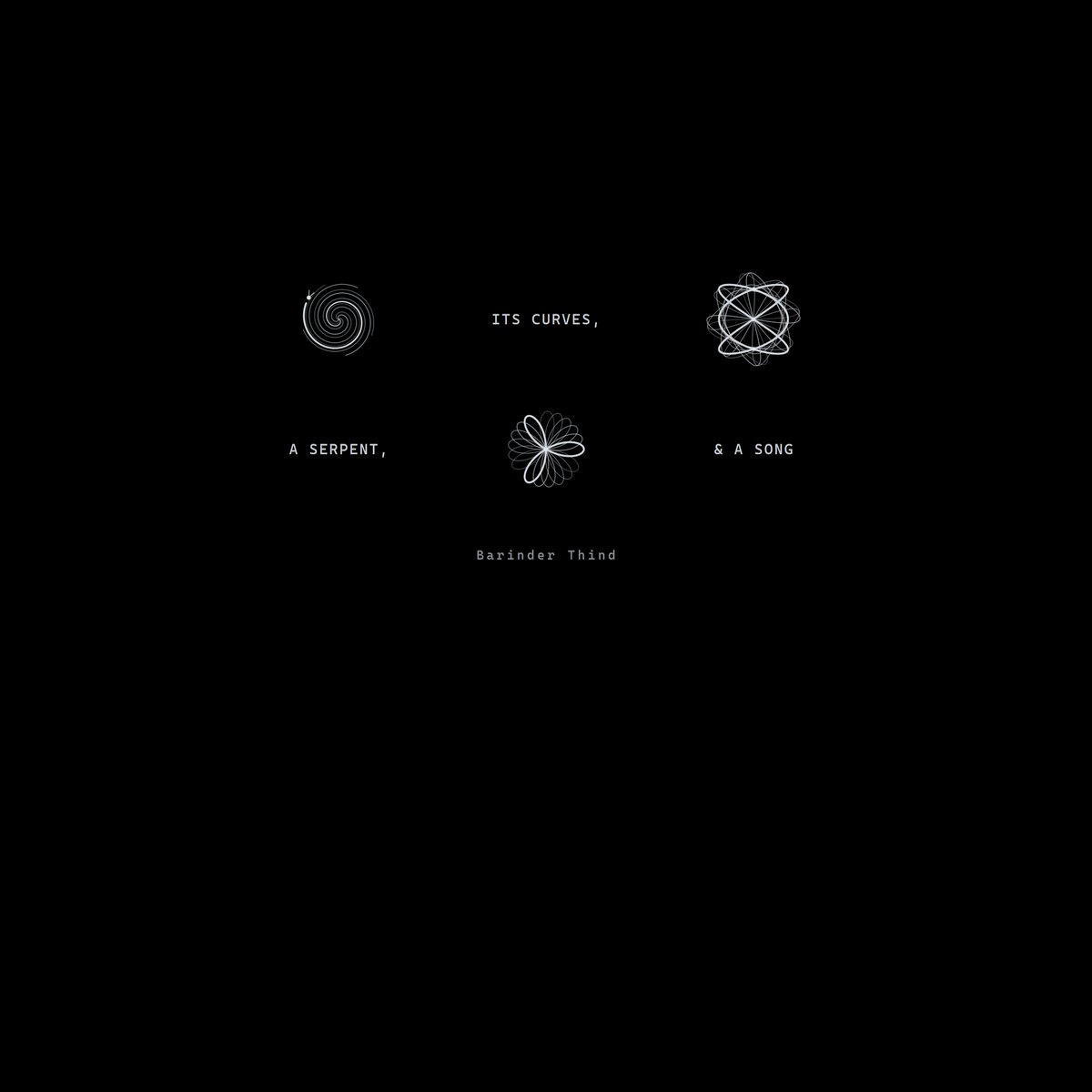
The cover: nine marks in a three by three grid on black, drawn by the instrument's own curves.
Preorder · opens soon

A first printing is being proofed now — a 360 page square volume, hardcover, printed at the size the plates were drawn for. When preorder opens I will post it.

tell me when ↗

Every mark on the cover is drawn by one of the three families of curve inside: a spiral a low key winds, a rose a high key opens, a Lissajous figure a middle key weaves.

What it is

Xuanwu Maxima is an instrument: it takes a piece of music and paints it, using the same mathematics that governs an orb thrown by Wuyang — where it launches from, how it curves, how long it is steered, where it comes to rest. Hold a note longer and its figure is drawn further. Play higher and it is drawn by a different family of curve.

This book is 162 pieces put through that law and printed. Bach, Chopin, Satie, Schumann, Debussy, Vivaldi, Tárrega and their centuries — each one a plate, each plate facing a page of its own numbers.

Nothing in it is random and nothing is timed by a clock. The instrument was run offline at a fixed sixtieth of a second, so a plate is a function of its score: the same piece will always draw the same painting, on any machine, forever.

The object

The book
Works162, each appearing once
Plates162, one facing every name
Pages360
Sections6, by what the law had to say
Formatsquare, hardcover
Each plate
Drawn at3000 pixels square · 300 to the inch
Facing pagenine measurements · six from the score, three from the plate
And a noteone paragraph, tying the two together
Under itthe piece's own name, in Morse
At the back
Judgmentthe mathematics, stated properly
Sources22 references · every score public domain
Indexall 162, and why each sits where it sits
One spread

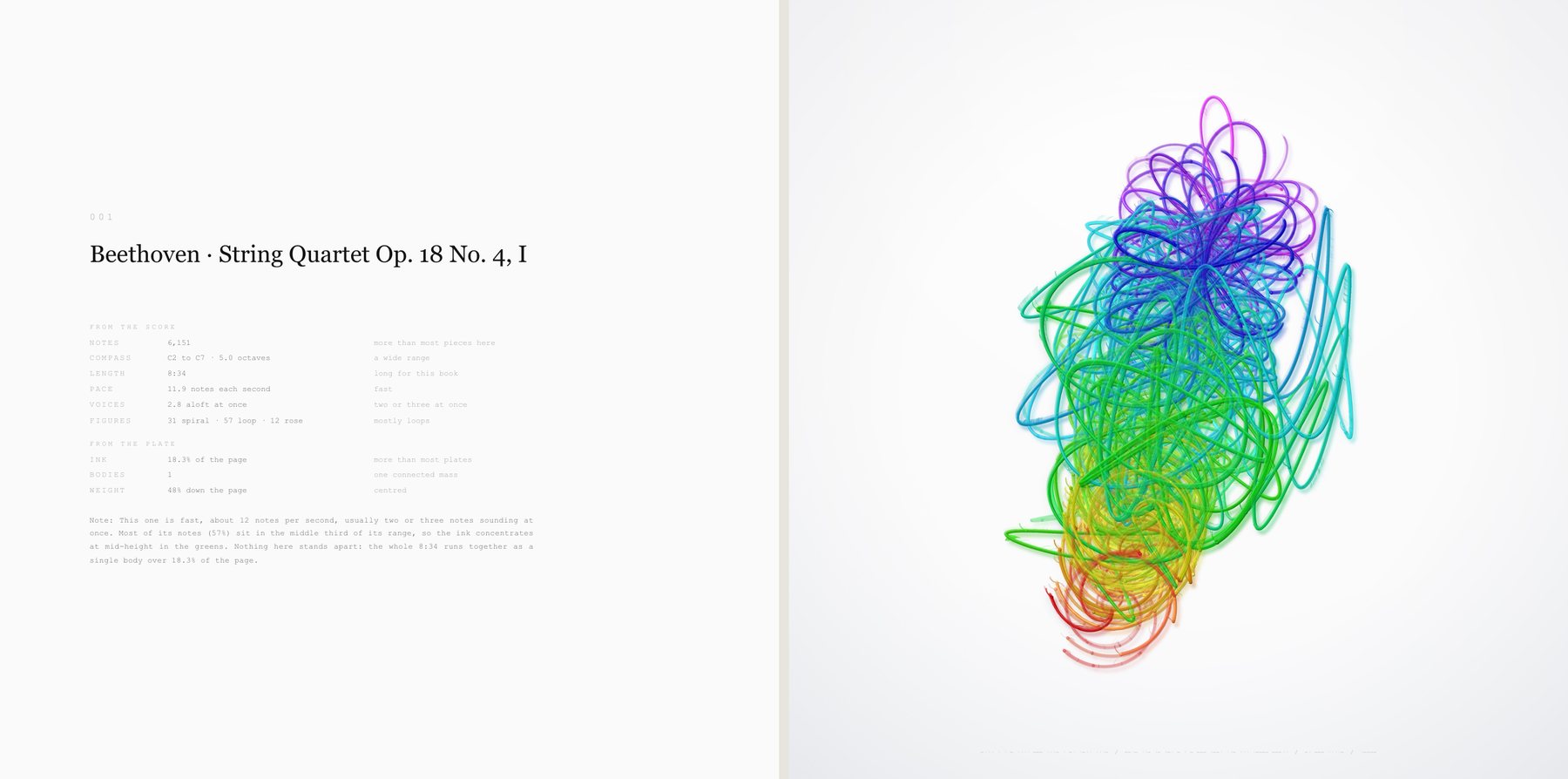
A spread from the book: on the left the piece's name with its measurements and a note, on the right the plate it drew.

Left: what the score is (6,151 notes, five octaves, 8:34 long, about twelve notes a second) and what the plate became (18.3% of the page inked, one connected body, balanced 48% down). Right: the painting those numbers describe. The note at the foot of the left page is written only from the measurements, so a reader can almost hear the piece before turning to it.

Six sections

The instrument has three motions and seven pendants. Which section a piece landed in was decided by what the law had to say about it — its compass, its density, its repetition, its texture — not by taste.

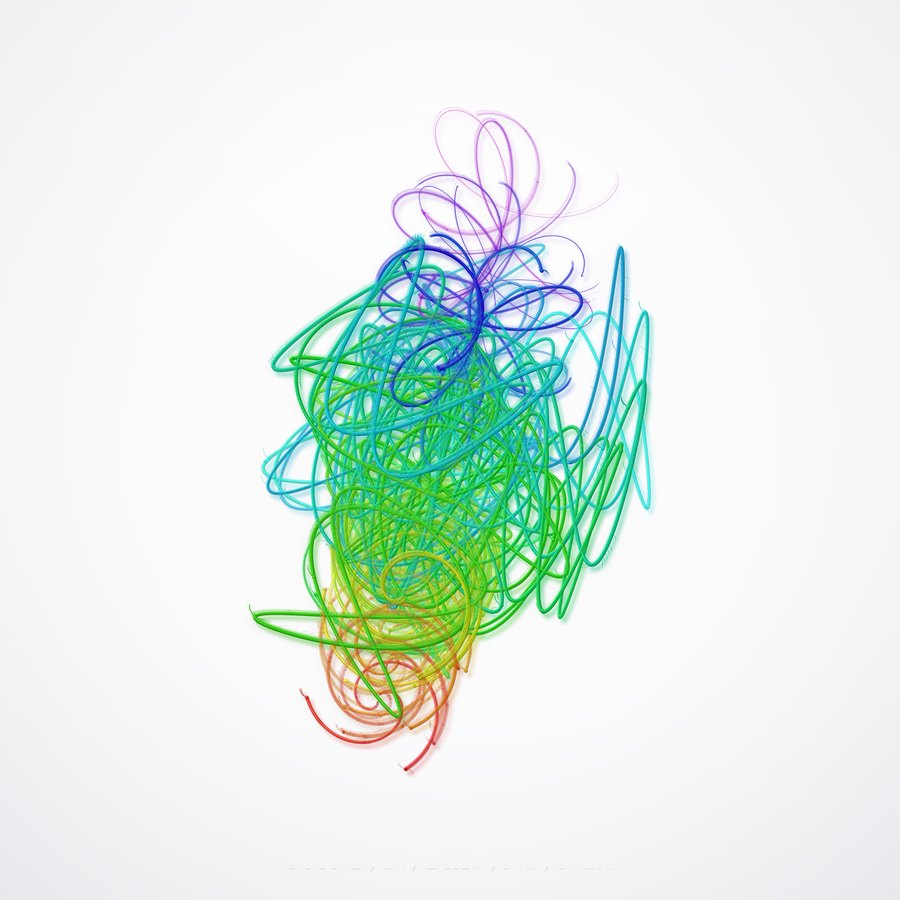
Aurora: a dense tangle of spectral loops.
𝘅1
Aurora
Wide compass. Every register the law owns, coloured ember to violet.
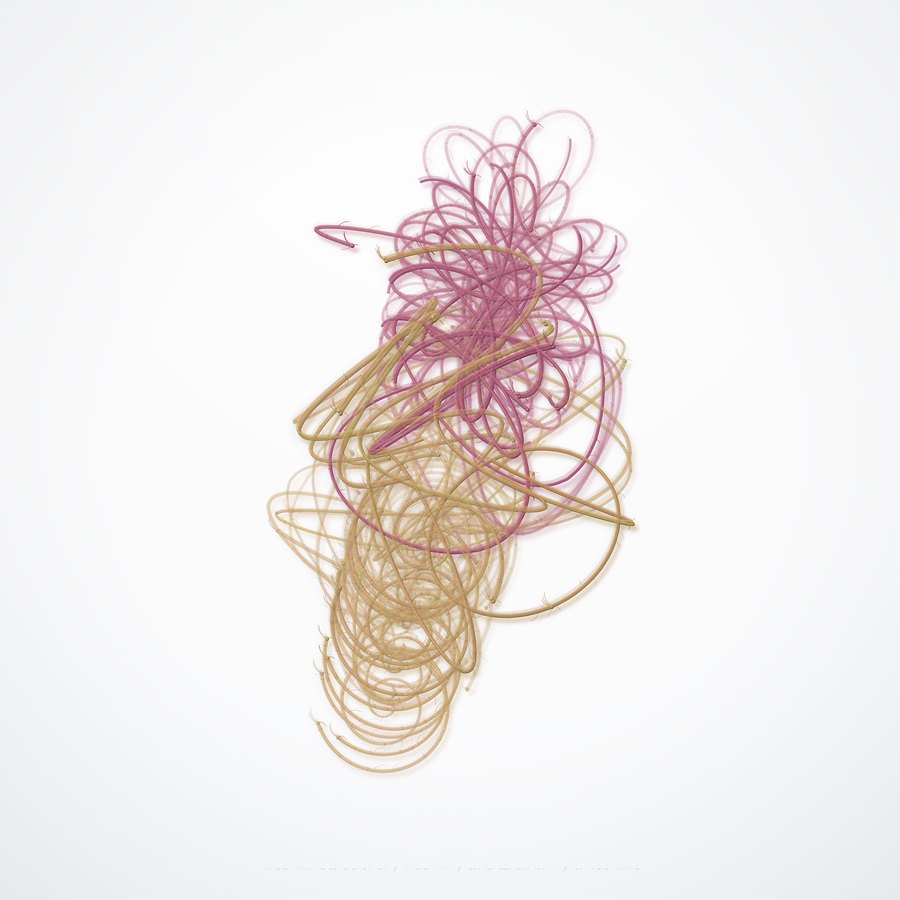
Botany: gold and rose figures growing from one another.
𝘅2
Botany
Pieces that grow: a figure repeated until it flowers.
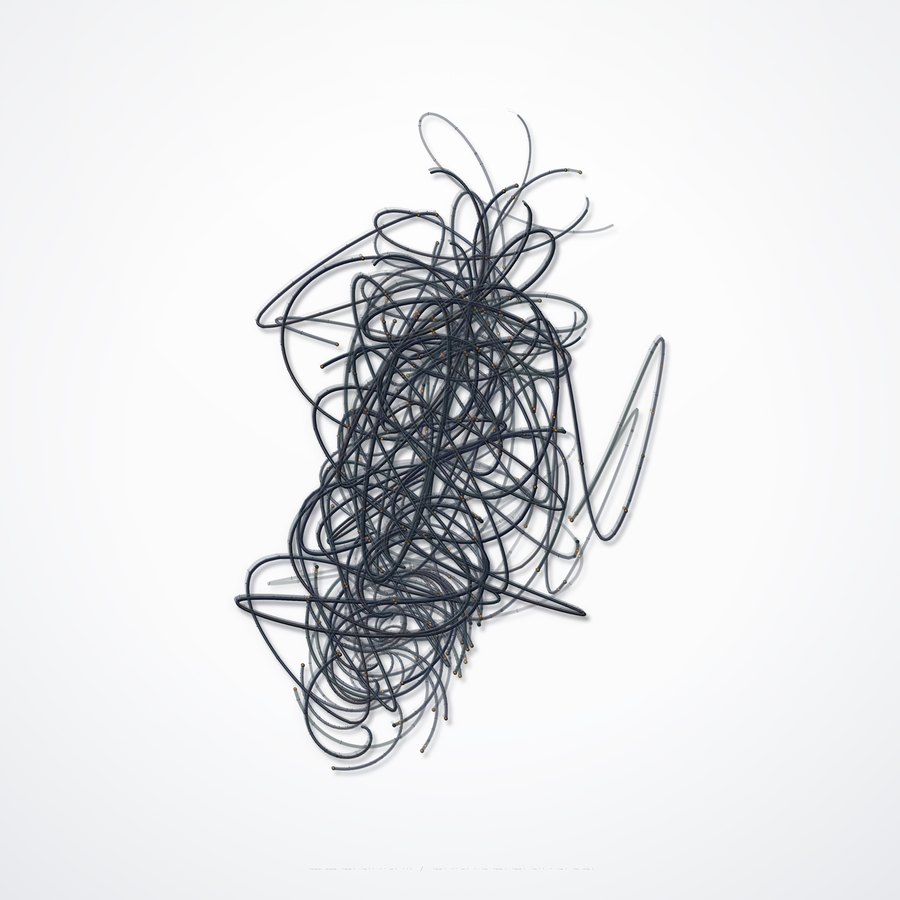
Dark Geometry: an engraved gunmetal tangle.
𝘅3
Dark Geometry
Strict, mechanical music, cut rather than painted.
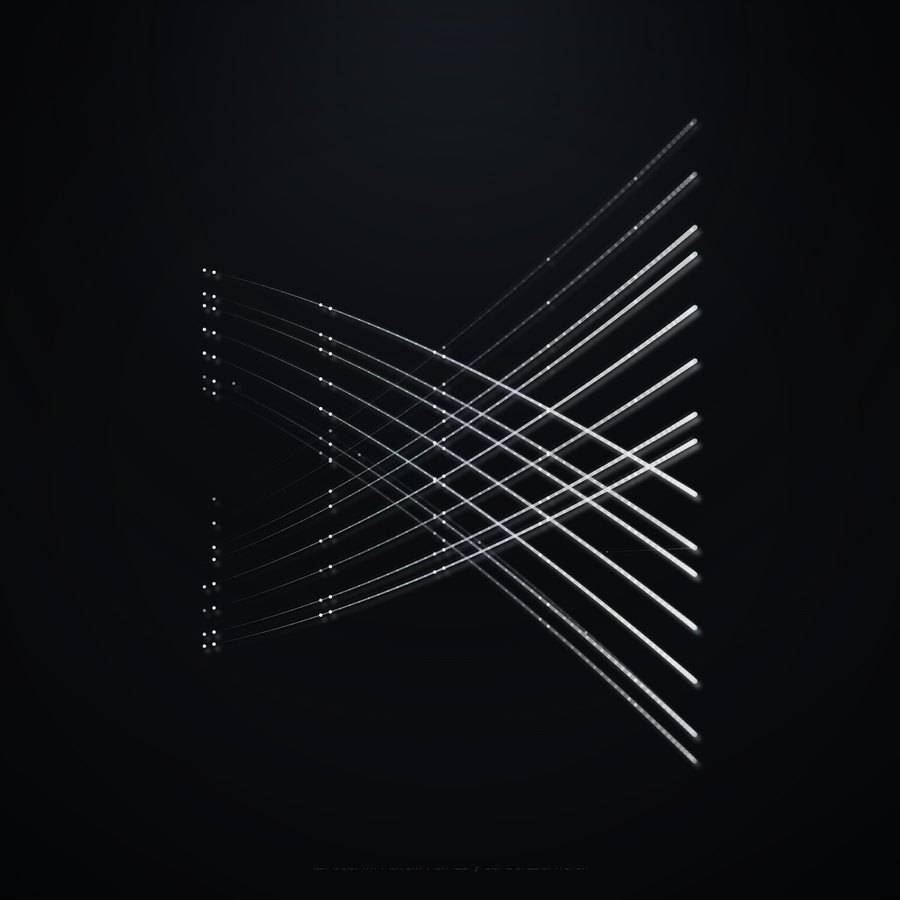
Arcs: white rays thrown across a black ground.
𝘅4
Arcs
One long throw per note, on the only dark ground in the book.
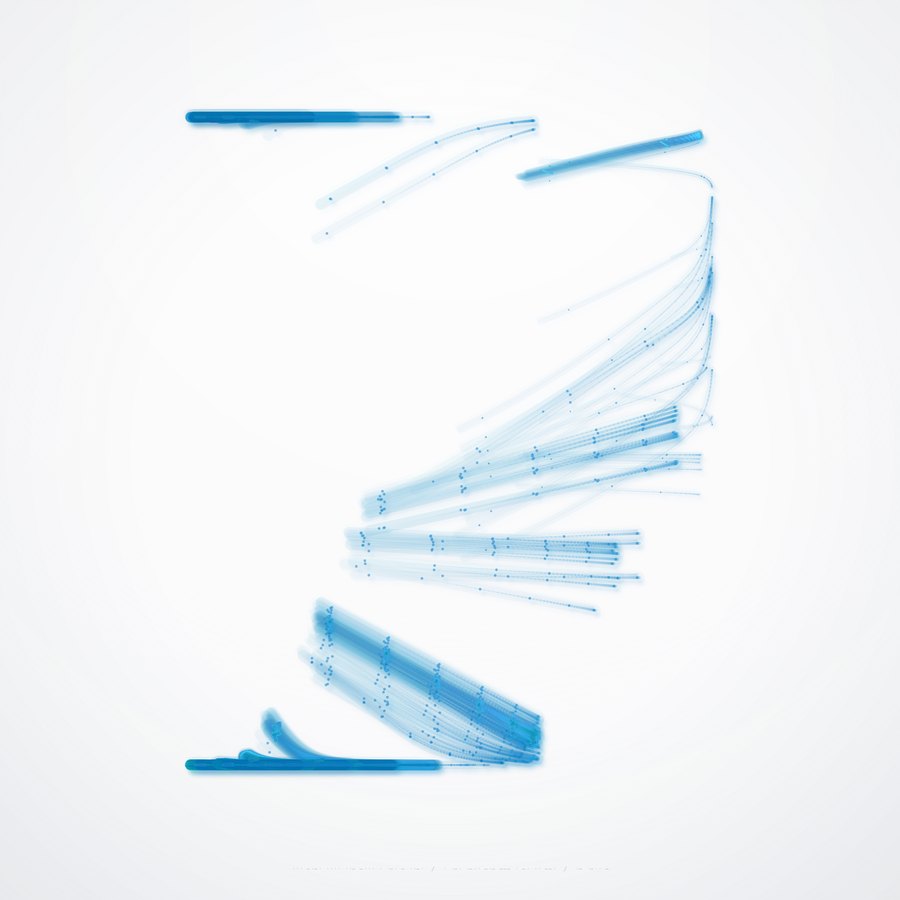
Spilling: blue strokes launched and released across the field.
𝘅5
Spilling
One orb steered at a time; the rest are let go mid‑flight.
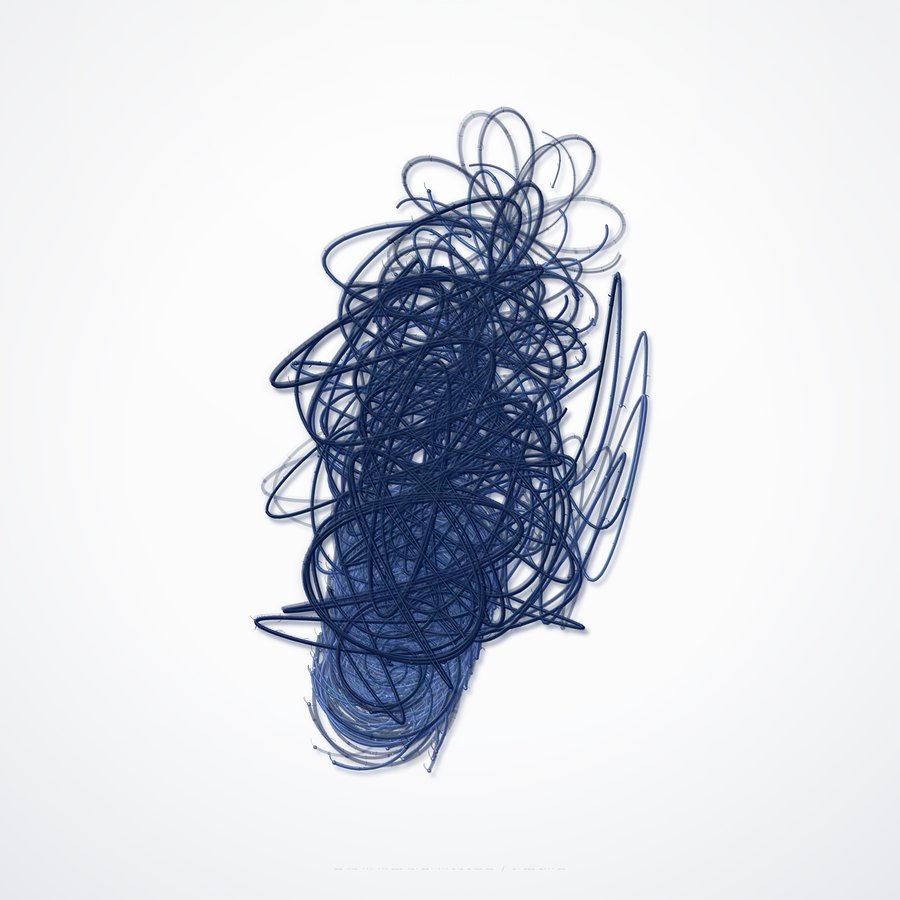
Black Tortoise: a deep blue knot of figures.
𝘅6
Black Tortoise
The dark water: heavy, slow, low in the range.

How to be told

Preorder is not open yet. A proof copy is at the printer; when it comes back and the edition is set, this page becomes the place to order it.

The instrument is playable in the panel beside this one — load any MIDI file and watch it paint. The written guide explains the law it obeys.
Scores are MIDI editions from the Mutopia Project, public domain, typeset by volunteers.
© Barinder Thind